Are you tired of dealing with septic system issues and foul odors?
Septic system failure is a homeowner's nightmare, often leading to costly repairs, environmental hazards, and unpleasant living conditions. From sluggish drains to embarrassing smells, the signs of a struggling septic system can be disruptive and concerning. Many traditional solutions involve harsh chemicals that can harm the delicate microbial balance within your tank, or expensive professional interventions that only offer temporary relief.
But what if there was a way to proactively support your septic system's health, naturally? This comprehensive guide delves into effective, natural septic treatment remedies that work to restore balance, prevent common problems, and extend the life of your system, ensuring peace of mind for years to come.
Understanding Your Septic System: A Foundation for Health
Before diving into remedies, it's crucial to understand how your septic system functions and why it sometimes fails. This knowledge empowers you to make informed decisions about its care.
A septic system is essentially an underground wastewater treatment plant for homes not connected to municipal sewer lines. It consists primarily of two main components: the septic tank and the drain field (also known as a leach field or absorption field). Wastewater from your home flows into the septic tank, where solids settle to the bottom, forming sludge, and lighter materials like grease and oil float to the top, forming a scum layer. In the middle, partially treated liquid wastewater (effluent) is held.
Beneficial bacteria naturally present in the septic tank play a vital role in breaking down organic matter in the wastewater. This biological process is crucial for reducing the volume of solids and preparing the effluent for its next stage. Once sufficiently treated, the effluent flows out of the tank and into the drain field. Here, it percolates through layers of soil, which further filter and purify the water before it re-enters the groundwater.
When this delicate balance is disrupted, a septic system can quickly fall into disrepair. Common culprits include flushing non-biodegradable items, excessive use of harsh chemicals, insufficient pumping, or even improper installation. Understanding these dynamics is the first step towards implementing effective septic treatment remedies that work to maintain optimal system health.
💡 Key Takeaway
A healthy septic system relies on a balanced ecosystem of beneficial bacteria to break down waste. Disruptions to this balance, often caused by household habits, lead to system failure and costly repairs.
Common Signs of Septic System Failure: Don't Ignore the Warnings
Recognizing the early warning signs of septic system distress can save you thousands in repair costs and prevent significant inconvenience. Many homeowners mistakenly wait until a catastrophic failure occurs before taking action.
One of the most immediate and noticeable indicators is **slow drains** or **gurgling pipes** throughout your home. If your toilets flush slowly, your sinks drain sluggishly, or you hear unusual gurgling sounds, it could indicate a backup in your septic tank or drain field. Another alarming sign is **sewage backup** into your toilets, bathtubs, or sinks. This is a clear indication that your system is overloaded or severely clogged and requires immediate attention.
Foul odors, both indoors and outdoors, are also strong indicators of a problem. A persistent **smell of sewage** emanating from drains, near the septic tank, or over the drain field suggests that waste is not being properly contained or processed. Outdoors, you might notice **standing water** or unusually **lush, green patches of grass** over your drain field, even during dry spells. This occurs when effluent surfaces because the soil can no longer absorb it, often due to a clogged or failing drain field.
Finally, if you have a well, high levels of nitrates or coliform bacteria in your well water could indicate that your septic system is contaminating your groundwater. This poses a serious health risk. By paying attention to these warning signs, you can intervene early and explore natural approaches to restore your system's health, rather than facing an emergency.
Why Natural Approaches are Superior for Septic Health
While chemical treatments might offer a quick fix, they often do more harm than good in the long run. Natural remedies, conversely, support the very biological processes that keep your septic system functioning.
Preserves Beneficial Bacteria
Harsh chemical cleaners, bleach, and antibacterial soaps kill the beneficial bacteria in your septic tank that are essential for breaking down waste. Natural approaches, especially those involving biological additives, replenish and strengthen these microbial populations, ensuring efficient waste decomposition.
Environmentally Friendly
Chemicals can leach into the groundwater, posing risks to local ecosystems and drinking water supplies. Natural remedies minimize environmental impact, protecting soil, water, and wildlife from harmful pollutants. They offer a sustainable solution for wastewater management.
Prevents System Damage
Corrosive chemicals can damage septic tank materials, pipes, and drain field components over time, leading to premature failure. Natural treatments work gently with your system, preventing deterioration and extending its operational lifespan, saving you from expensive repairs.
Sustainable Long-Term Solution
Rather than just clearing a clog, natural methods address the root cause of septic problems by promoting a healthy, active microbial environment. This leads to more consistent performance, reduced odors, and fewer blockages, making it a sustainable choice for ongoing maintenance.
Cost-Effective Maintenance
Preventative natural treatments are significantly less expensive than emergency repairs or full system replacements. By maintaining a healthy septic system naturally, you can avoid the high costs associated with professional pump-outs, drain field rejuvenation, or system overhauls.
Top Natural Septic Treatment Remedies That Work
Embracing natural solutions is key to maintaining a healthy and efficient septic system. Here are several proven remedies that support your system's natural processes.
1. Biological Additives (Beneficial Bacteria and Enzymes)
One of the most effective natural septic treatment remedies is the regular use of biological additives. These products introduce billions of beneficial bacteria and enzymes into your septic tank, bolstering the existing microbial population. These microorganisms are specifically chosen for their ability to break down a wide range of organic waste, including fats, oils, grease (FOG), proteins, starches, and cellulose (toilet paper). By enhancing the natural decomposition process, biological additives reduce sludge and scum buildup, prevent clogs, eliminate foul odors, and improve the overall efficiency of your system.
Unlike harsh chemical treatments that sterilize the tank and kill off essential bacteria, biological additives work with nature to restore balance. Consistent use can significantly extend the time between pump-outs and prevent costly drain field failures. When choosing an additive, look for products that contain a diverse blend of aerobic and anaerobic bacteria strains, along with enzymes like cellulase, lipase, amylase, and protease for comprehensive waste breakdown. For more detailed insights into choosing the right supplement, consider reading our guide on the best septic treatment supplement.
2. Proper Water Usage and Conservation
Excessive water usage can overwhelm your septic system, leading to hydraulic overload in the drain field. This prevents the soil from adequately treating wastewater, leading to backups and premature failure. Practicing water conservation is a simple yet powerful natural remedy. This includes fixing leaky faucets and toilets, installing low-flow showerheads and toilets, and staggering water-intensive activities like laundry and dishwashing throughout the week. Reducing the volume of water entering your tank allows the solids more time to settle and the bacteria more time to work, improving treatment efficiency.
3. Mindful Waste Disposal
What goes down your drains directly impacts your septic system's health. Avoid flushing anything other than human waste and toilet paper. Items like wet wipes (even "flushable" ones), feminine hygiene products, paper towels, dental floss, cigarette butts, and cat litter do not break down in the septic tank and can cause severe blockages. Similarly, avoid pouring grease, oils, and harsh chemicals (bleach, drain cleaners, excessive antibacterial soaps) down the drain. Grease solidifies and contributes to the scum layer, while chemicals kill the beneficial bacteria crucial for waste decomposition. Always dispose of these items in the trash.
4. Regular Septic Tank Pumping
While not a "natural remedy" in the sense of an additive, regular pumping is a vital natural maintenance practice. Even with the best biological treatments, some inorganic solids and non-digestible materials will accumulate over time. Pumping your septic tank every 3-5 years (depending on household size and tank volume) removes these accumulated solids, preventing them from overflowing into the drain field and causing irreversible damage. This practice maintains the necessary capacity for effective waste treatment.
5. Maintaining Your Drain Field
The drain field is the final and most critical stage of wastewater treatment. To keep it healthy, avoid parking vehicles or heavy equipment over it, as this can compact the soil and reduce its ability to absorb effluent. Do not plant trees or shrubs with aggressive root systems near the drain field, as roots can infiltrate and clog the pipes. Ensure surface water from gutters or landscaping is diverted away from the drain field to prevent oversaturation. A healthy drain field is essential for the entire system's longevity and efficiency.
6. Composting Food Scraps
Garbage disposals, while convenient, introduce additional solids and grease into your septic tank, increasing the load on the system and requiring more frequent pumping. Instead of using a garbage disposal, consider composting food scraps. This reduces the amount of organic matter entering your septic tank, allowing the beneficial bacteria to focus on human waste and toilet paper, thereby improving overall system performance. For more strategies on enhancing your system naturally, explore how to improve septic treatment naturally.
💡 Key Takeaway
Combining biological additives with mindful household habits like water conservation, proper waste disposal, and regular maintenance creates a comprehensive and effective natural approach to septic system health.
Introducing Septifix: A Leading Natural Septic Solution
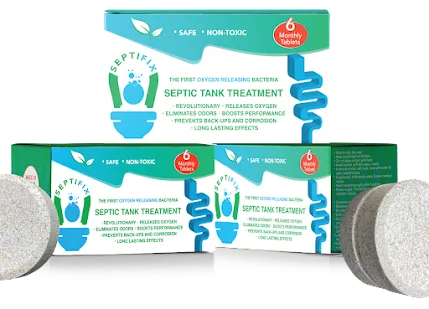
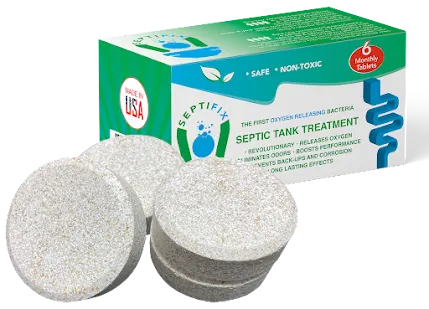
Among the various natural septic treatment remedies available, Septifix stands out as a highly effective and innovative solution designed to optimize septic system performance.
100% Natural & Safe
Septifix is formulated with a powerful blend of beneficial aerobic bacteria and oxygenating compounds, ensuring it's completely safe for all types of septic systems, pipes, and the environment. It contains no harsh chemicals, preventing damage to your system or the surrounding ecosystem.
Eliminates Odors
One of the most immediate benefits reported by users is the significant reduction, and often complete elimination, of foul septic odors. Septifix's unique formula neutralizes bad smells by breaking down the organic compounds that cause them, rather than just masking them.
Breaks Down Waste Effectively
The high concentration of aerobic bacteria (55 billion CFUs per tablet) coupled with enzymes and oxygenating compounds rapidly breaks down sludge, scum, fats, oils, grease, and other organic waste. This prevents blockages and ensures a cleaner, more efficient tank.
Prevents Clogs & Backups
By continuously breaking down waste and preventing buildup, Septifix significantly reduces the likelihood of clogs in your pipes and septic tank, thereby preventing inconvenient and costly sewage backups into your home.
Extends System Lifespan
Regular use of Septifix helps maintain the optimal health and function of your entire septic system, from the tank to the drain field. This preventative maintenance can extend the life of your system, delaying the need for expensive repairs or replacements.
Reduces Pumping Frequency
With more efficient waste breakdown and reduced sludge accumulation, Septifix can help decrease the frequency of septic tank pump-outs, saving you money on professional maintenance services over time.
Key Natural Ingredients in Septifix
Septifix's efficacy stems from its carefully selected blend of natural ingredients, each playing a crucial role in maintaining optimal septic system health. Instead of images, we present the powerful components that make Septifix a robust solution.
Aerobic Bacteria Strains (55 Billion CFUs)
Role: These highly active microorganisms rapidly decompose organic waste, including fats, oils, and grease. They work to prevent sludge buildup and restore the natural bacterial balance within your septic tank, ensuring efficient breakdown of solids.
High concentration for effective breakdownCellulase
Role: This powerful enzyme specifically targets and breaks down cellulose, which is the primary component of toilet paper and other plant fibers. Its inclusion is critical for preventing clogs caused by paper products and fibrous waste.
Optimized for septic waste digestionLipase
Role: Lipase is an enzyme that specializes in breaking down fats, oils, and grease (FOG). These substances are notorious for forming thick scum layers and causing blockages in septic systems. Lipase ensures their effective degradation.
Essential for fat and oil degradationAmylase
Role: This enzyme is responsible for digesting starches and carbohydrates, commonly found in food waste. Amylase contributes to the comprehensive breakdown of various organic materials, supporting overall waste reduction in the tank.
Supports comprehensive waste reductionProtease
Role: Protease is an enzyme that breaks down proteins from food and human waste. By efficiently degrading proteins, it helps ensure a more complete decomposition process, preventing protein-based sludge accumulation.
Crucial for protein digestionOxygenating Compounds
Role: These compounds are unique to Septifix, releasing oxygen into the septic tank. This creates an ideal aerobic environment where beneficial bacteria can thrive and multiply more effectively, significantly enhancing decomposition efficiency and odor elimination.
Sustained release for continuous supportpH Regulators
Role: Maintaining an optimal pH balance is vital for bacterial activity. Septifix includes buffering agents that regulate the pH within the septic tank, ensuring the beneficial bacteria remain active and effective in breaking down waste.
Buffering agents for bacterial stability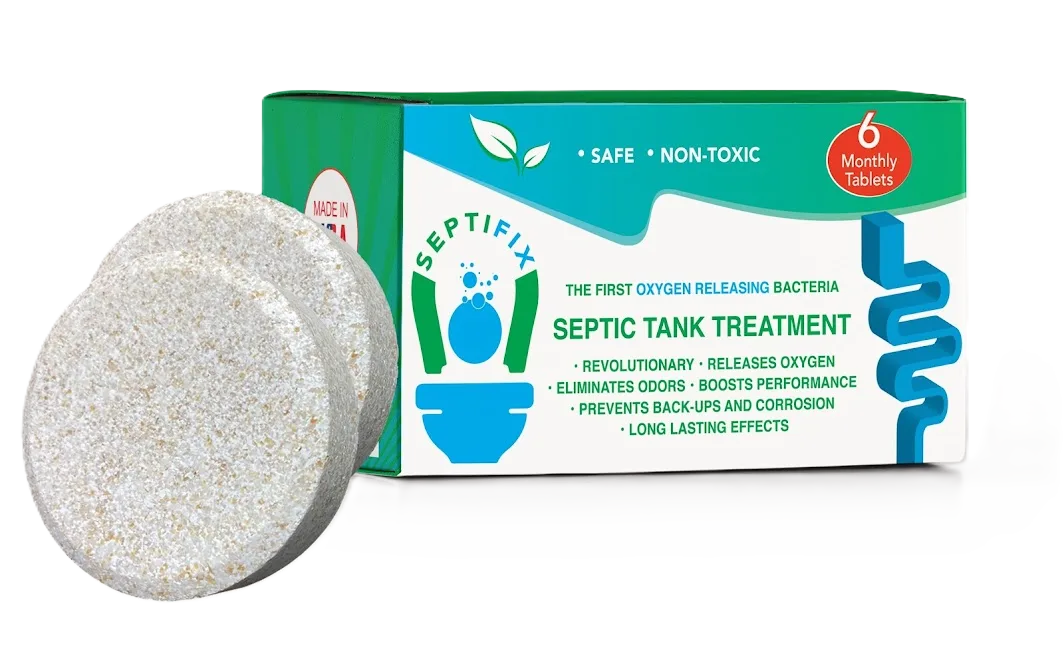
Take Control of Your Septic System Health Today with Septifix!
Don't let septic issues disrupt your life. Septifix offers a powerful, natural, and easy-to-use solution to maintain a healthy septic system, eliminate odors, and prevent costly repairs. Join thousands of satisfied homeowners who have discovered the Septifix difference.
- ✓ 100% Natural & Eco-Friendly
- ✓ Eliminates Foul Odors Effectively
- ✓ Prevents Clogs & Backups
- ✓ Reduces Need for Frequent Pumping
- ✓ Extends the Lifespan of Your Septic System



What Our Customers Are Saying
"I was skeptical at first, but Septifix truly delivered! The foul odors around my septic tank are completely gone, and my drains have never run so smoothly. This product saved me from a very expensive problem."
"After years of struggling with slow drains and worrying about my old septic system, Septifix has been a game-changer. It's so easy to use, and the results are undeniable. Highly recommend for any homeowner with a septic tank."
"We used to have our tank pumped every two years, but since starting Septifix, we've extended that to four years with no issues! The peace of mind knowing our system is healthy and running efficiently is priceless."
Frequently Asked Questions
What are the most common signs of septic system failure?
+Common signs include slow drains, gurgling pipes, sewage backups, foul odors indoors or outdoors, standing water or lush green grass over the drain field, and unusually high nitrate levels in well water. Addressing these promptly can prevent costly repairs.
How often should I pump my septic tank?
+The frequency of septic tank pumping depends on household size, wastewater generated, and tank size. Generally, tanks should be inspected annually and pumped every 3-5 years. However, homes with garbage disposals or more occupants might need more frequent pumping.
Can natural additives truly improve septic system performance?
+Yes, certain natural biological additives, particularly those containing beneficial bacteria and enzymes, can significantly improve septic system performance. They help break down organic waste, reduce sludge buildup, and prevent clogs, enhancing the system's overall efficiency and longevity.
What household products should I avoid to protect my septic system?
+To protect your septic system, avoid flushing non-biodegradable items like wet wipes, feminine hygiene products, and excessive grease. Also, limit the use of harsh chemical cleaners, bleach, and antibacterial soaps, as these can kill the beneficial bacteria essential for waste decomposition in your tank.
Is Septifix a safe and natural solution for septic system maintenance?
+Yes, Septifix is formulated with 100% natural beneficial bacteria and oxygenating compounds, designed to be safe for all types of septic systems. It works by naturally breaking down waste, reducing odors, and preventing blockages without harsh chemicals, making it an eco-friendly choice.
How long does it take to see results after using a septic treatment like Septifix?
+While individual results can vary, many users report noticing improvements in odors and drainage within 3-5 days of initial use of Septifix. For optimal system health and long-term benefits, consistent use as directed is recommended to maintain a robust bacterial population in your tank.
Related Articles