Is Your Septic System Struggling? Discover the Power of Natural Enzyme and Microbial Treatments!
For millions of homeowners, a septic system is a vital, yet often overlooked, component of their property. When working correctly, it silently manages household waste. However, when issues arise, they can quickly escalate into costly repairs, unpleasant odors, and significant inconvenience. From slow drains to foul smells emanating from your yard, the signs of septic system failure are unmistakable and demand immediate attention.
Fortunately, you don't always need aggressive chemical solutions or frequent, expensive pump-outs. A growing body of research, supported by environmental health experts, points towards the efficacy of natural, biological septic system support as the most sustainable and effective long-term remedy. By understanding and utilizing the power of enzymes and beneficial microbes, you can proactively maintain your septic system, preventing failures before they start.
Understanding Septic System Failure: The Hidden Enemy in Your Backyard
Before diving into solutions, it's crucial to grasp how septic systems work and why they fail. A properly functioning septic system is a marvel of natural engineering, relying on a delicate balance of biological processes to treat wastewater.
Your septic system consists primarily of a septic tank and a drain field (or leach field). Wastewater from your home flows into the tank, where solids settle to the bottom, forming a sludge layer, and lighter materials like grease and oils float to the top, forming a scum layer. In between these layers is the liquid effluent, which contains dissolved waste. Here, **beneficial bacteria** naturally present in the wastewater begin the decomposition process. This partially treated liquid then flows out into the drain field, where it percolates through soil, undergoing further purification by soil microbes before rejoining the groundwater.
Septic system failure often occurs when this natural biological process is disrupted. Common culprits include:
- Excessive sludge buildup: When solids accumulate faster than bacteria can break them down, the tank fills up, reducing its effective capacity and allowing solids to escape into the drain field.
- Harmful chemicals: Household cleaners, antibacterial soaps, and certain medications can kill off the beneficial bacteria in your tank, halting the decomposition process.
- Non-biodegradable materials: Flushing items like wet wipes, paper towels, and feminine hygiene products can clog pipes and tanks, exacerbating sludge issues.
- Poor drainage: A failing drain field, often due to compaction, saturation, or clogging from excess solids, prevents proper effluent absorption.
💡 Key Takeaway
Septic system failure is primarily a biological problem, often caused by a depletion of beneficial bacteria and enzymes. Effective treatment focuses on restoring and enhancing these natural biological processes to prevent sludge buildup and ensure proper waste decomposition.
The Science Behind Natural Septic Treatments: Enzymes vs. Microbes
Moving beyond harsh chemicals, natural septic treatments offer a sustainable and highly effective approach. These remedies harness the power of biology, specifically enzymes and beneficial microbes, to supercharge your septic system's natural digestive capabilities.
Enzymes are biological catalysts that accelerate specific biochemical reactions. In the context of septic systems, enzymes act as "waste choppers." They don't consume waste themselves but break down complex organic molecules into smaller, more manageable particles. For example, lipase enzymes break down fats, oils, and grease, while protease enzymes tackle proteins. This pre-digestion step is crucial because it makes the waste more accessible for the next players: microbes.
Microbes (Bacteria) are the workhorses of your septic system. These tiny living organisms consume the smaller waste particles created by enzymes (and some they break down themselves) and convert them into harmless byproducts like water and carbon dioxide. A healthy septic tank thrives on a diverse population of bacteria, including **aerobic bacteria** (which require oxygen) and **anaerobic bacteria** (which thrive without oxygen), each playing a vital role in different zones of the tank and drain field. When the microbial population is robust and balanced, waste is efficiently digested, preventing sludge accumulation and maintaining the system's capacity.
Together, enzymes and microbes form a powerful synergistic team. Enzymes initiate the breakdown, and microbes complete the digestion. This natural approach is far superior to chemical additives, which can often sterilize the tank, killing off the very bacteria needed for proper function and leading to a reliance on continuous, damaging chemical use. For more insights on choosing the right treatment, check out our guide on best-septic-treatment-supplement.html.
Why Choose Natural Septic Treatments? Unlocking Long-Term Benefits
Embracing natural enzyme and microbial treatments for your septic system offers a multitude of advantages over traditional, often harmful, chemical solutions. These benefits extend beyond just the immediate function of your tank, impacting your wallet, the environment, and your peace of mind.
Environmental Safety & Sustainability
Unlike harsh chemicals that can leach into groundwater and harm local ecosystems, natural treatments are biodegradable and eco-friendly. They enhance the earth's natural processes, ensuring that wastewater is treated responsibly without introducing pollutants. This makes them a sustainable choice for your home and the planet.
Significant Cost Savings
Septic system failures and frequent pump-outs are incredibly expensive. By maintaining a healthy microbial balance, natural treatments drastically reduce sludge buildup, minimizing the need for professional pump-outs and preventing costly repairs to the tank or drain field. Proactive care is always cheaper than reactive fixes.
Elimination of Foul Odors
Unpleasant odors are a primary indicator of an unhealthy septic system. These smells are often caused by incomplete decomposition of waste. Enzymes and beneficial bacteria efficiently break down organic matter, neutralizing the source of odors and leaving your home and yard smelling fresh. This is a key benefit for improving your quality of life.
Extended System Lifespan
A septic system that is well-maintained with natural biological treatments will function optimally for much longer. By preventing sludge accumulation and drain field clogging, these treatments protect the structural integrity and operational efficiency of your entire system, delaying the need for premature replacement.
Improved Drain Field Performance
The drain field is often the most vulnerable part of a septic system. Natural treatments ensure that only well-treated effluent reaches the drain field, preventing the pores in the soil from clogging. This maintains efficient absorption and purification, crucial for preventing backups and standing water in your yard.
Best Enzyme Options for Septic Systems: The Breakdown Specialists
Enzymes are the initializers in the waste decomposition process, breaking down large, complex molecules into smaller ones that microbes can readily consume. Understanding the different types of enzymes and their specific roles can help you appreciate the comprehensive action of a good septic treatment.
Protease Enzymes
Role: These enzymes specialize in breaking down proteins into amino acids. Proteins are abundant in human waste, food scraps, and certain detergents. Without sufficient protease activity, these materials can contribute significantly to sludge buildup, becoming difficult for bacteria to process efficiently.
Lipase Enzymes
Role: Lipase enzymes are crucial for digesting fats, oils, and grease (FOG). FOG is notoriously problematic in septic systems, forming a thick, non-biodegradable scum layer that can clog pipes and impede the flow of effluent. Lipases break these down into fatty acids and glycerol, making them digestible for bacteria.
Amylase Enzymes
Role: Amylase enzymes target carbohydrates and starches, converting them into simpler sugars. Common sources include food waste from kitchen sinks and certain processed foods. Efficient breakdown of these components prevents them from contributing to the solid waste load in the tank.
Cellulase Enzymes
Role: Cellulose is the main component of toilet paper, plant fibers, and some cleaning products. Cellulase enzymes are essential for breaking down these fibrous materials, preventing them from forming dense, slow-to-decompose masses that can clog the tank and drain field. This is particularly important for reducing the solid volume in your tank.
Top Microbial Options for Septic System Health: The Waste Digesters
While enzymes break down complex waste, microbes are the ultimate waste consumers. A healthy septic system relies on a diverse and thriving population of bacteria, each adapted to different conditions within the tank to ensure complete decomposition.
Aerobic Bacteria
Role: These bacteria thrive in the presence of oxygen and are highly efficient at breaking down organic matter quickly and without producing foul odors. They are particularly active in the upper layers of the septic tank and in the drain field, where oxygen levels are higher. Many advanced septic treatments, like Septifix, focus on enhancing aerobic activity.
Anaerobic Bacteria
Role: Anaerobic bacteria operate in oxygen-deprived environments, such as the bottom sludge layer of the septic tank. They are crucial for digesting the accumulated solids that settle over time. While their decomposition process can be slower and sometimes produce gases, they are indispensable for breaking down waste in deep, compacted sludge.
Facultative Bacteria
Role: These versatile bacteria can adapt and thrive in both aerobic (with oxygen) and anaerobic (without oxygen) conditions. This adaptability makes them incredibly valuable in septic systems, as they can continue their waste-digesting work regardless of oxygen fluctuations, bridging the gap between purely aerobic and anaerobic zones.
Nitrobacter & Nitrosomonas
Role: These specialized bacteria are vital for the nitrification and denitrification processes, converting harmful ammonia (a byproduct of waste decomposition) into less harmful nitrates and then into nitrogen gas. This significantly reduces the environmental impact of septic system effluent, especially in the drain field. Learn more about effective solutions for odors at septic-system-odor-eliminator.html.
Key Microbial & Enzyme Components in Advanced Septic Treatments
High-quality natural septic treatments combine a potent blend of specific enzymes and beneficial bacterial strains to ensure comprehensive waste breakdown. These formulations are designed to work synergistically, tackling all types of organic waste and promoting a healthy septic environment.
Diverse Aerobic & Anaerobic Bacteria Strains
Advanced treatments typically include multiple strains of both aerobic and anaerobic bacteria. This ensures that waste is efficiently broken down throughout the entire septic tank, from the oxygen-rich top layers to the anoxic sludge at the bottom. A wide variety of strains guarantees robust digestion of different waste types.
Lipase Enzyme Complex
A concentrated blend of lipase enzymes is essential for rapidly breaking down fats, oils, and grease (FOG). This prevents the formation of stubborn scum layers and ensures that these difficult-to-digest substances do not accumulate and clog the system, maintaining optimal flow and preventing blockages.
Protease Enzyme Complex
This complex targets proteins, which are major components of human waste and food particles. By breaking proteins down into simpler amino acids, protease enzymes facilitate their rapid digestion by bacteria, significantly reducing the solid load and preventing the buildup of insoluble matter.
Amylase & Cellulase Enzyme Blend
To ensure comprehensive waste management, effective treatments also include amylase for starches and carbohydrates, and cellulase for fibrous materials like toilet paper and plant waste. This combination ensures that virtually all organic waste entering the tank is processed efficiently, minimizing sludge volume. For reviews on tablet-based treatments, see septic-tank-treatment-tablets-review.html.
Oxygenation Compounds
Some innovative treatments, like Septifix, incorporate oxygenation compounds. These compounds slowly release oxygen into the septic tank, creating an ideal environment for aerobic bacteria to thrive. This dramatically boosts the efficiency of waste breakdown and helps eliminate foul odors by promoting complete decomposition.
pH Balancing Agents
Maintaining an optimal pH level (typically slightly alkaline) is crucial for bacterial activity. Certain natural treatments include ingredients that help buffer the pH of the septic tank, counteracting the effects of harsh detergents or acidic waste that could inhibit the beneficial microbes. A stable pH ensures the bacteria can perform their best.
Experience the Septifix Difference: The Ultimate Natural Septic Solution
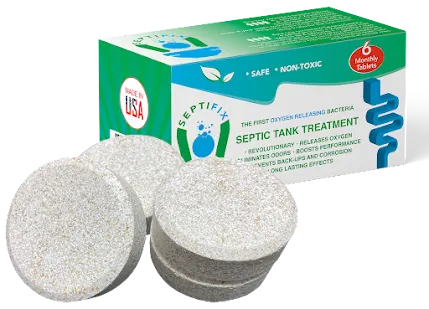
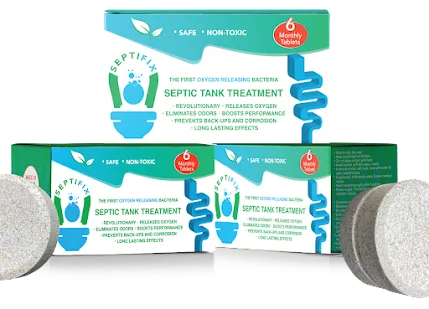
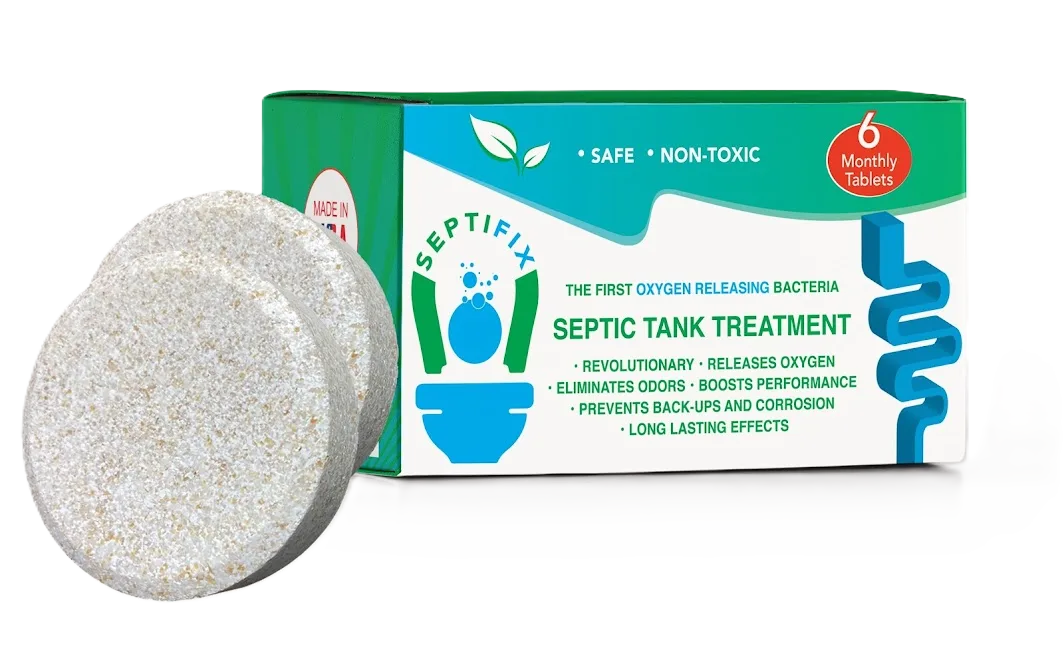
If you're looking for a reliable, natural, and highly effective solution to maintain your septic system and prevent costly failures, Septifix offers a powerful blend of beneficial bacteria and oxygenation. Designed by environmental health experts, Septifix tablets provide continuous support for optimal septic function.
- 14 Strains of Beneficial Bacteria: A diverse blend ensuring comprehensive waste breakdown.
- Slow-Release Oxygenation: Boosts aerobic activity for faster, odor-free decomposition.
- Breaks Down Sludge & Scum: Effectively targets fats, grease, proteins, and toilet paper.
- Eliminates Foul Odors: Tackles the root cause of septic smells.
- Extends System Lifespan: Reduces the need for pump-outs and prevents costly repairs.

What Our Customers Say About Septifix
"I was skeptical at first, but Septifix truly works wonders! The foul odors around my drain field are completely gone, and my drains have never run smoother. It's saved me a fortune on potential repairs. Highly recommend for any septic owner!"
"After years of dealing with slow drains and worrying about my septic system, I tried Septifix. The difference is night and day. No more gurgling pipes, no more worrying about backups. It's an essential part of my home maintenance now."
"This product is a game-changer! I used to have my tank pumped every 2-3 years, but with Septifix, it's been over 4 years, and everything is still running perfectly. The peace of mind alone is worth every penny. Plus, it's all natural!"
Frequently Asked Questions
What are natural septic treatments and how do they work?
+Natural septic treatments utilize beneficial bacteria and enzymes to break down organic waste within your septic tank and drain field. These biological agents enhance the natural decomposition process, preventing sludge buildup, odors, and system clogs. Unlike harsh chemicals, they support the ecosystem of your septic system, promoting long-term health and efficiency.
Why should I choose enzyme and microbial options over chemical additives?
+Chemical additives can kill off the beneficial bacteria essential for a healthy septic system, leading to more problems in the long run. They might offer a temporary fix but disrupt the delicate biological balance. Enzyme and microbial treatments, conversely, introduce or stimulate the growth of these helpful microorganisms, actively digesting waste and maintaining a robust, self-sustaining system without harming the environment or your plumbing.
How often should I use natural septic treatments?
+The frequency of use depends on the specific product and your septic system's needs. Most reputable enzyme and microbial treatments, like Septifix, are designed for monthly application to ensure a continuous supply of active ingredients. Consistent use helps maintain optimal bacterial levels, prevents waste accumulation, and keeps your system running smoothly year-round. Always follow the manufacturer's instructions for best results.
Can natural septic treatments fix an already failing septic system?
+While natural septic treatments are highly effective for preventative maintenance and addressing early signs of trouble (like slow drains or odors), they may not be a complete solution for a severely failing system (e.g., major drain field collapse or structural damage). They can significantly improve performance and extend the life of a struggling system by restoring bacterial balance and breaking down existing sludge. For severe issues, professional inspection and repair might still be necessary, but these treatments can often mitigate the problem and prevent recurrence.
Are natural septic treatments safe for the environment and my family?
+Yes, high-quality natural septic treatments are specifically formulated to be environmentally friendly and safe for households. They do not contain harsh chemicals, acids, or caustics that can pollute groundwater or damage plumbing. By enhancing natural biological processes, they reduce the need for aggressive pump-outs and chemical interventions, contributing to a healthier environment. Products like Septifix are made with natural, non-toxic ingredients, making them a safe choice for your home and the planet.
Where can I find reliable natural septic treatment products like Septifix?
+To ensure you're getting an authentic and effective natural septic treatment, it's always best to purchase directly from the official product website. This guarantees you receive the genuine product, often with special offers, customer support, and money-back guarantees. Be wary of third-party sellers that may offer counterfeit or expired products. For Septifix, the official septifix-eng.com website is the most reliable source for your purchase.
Related Articles